AI and creativity seem to be slowly entering the same discussion. Whether it’s graphic design or filmmaking, writing or digital art, people are trying to figure out what it means to have artificial intelligence integrated into the types of jobs that these individuals do. The emergence of AI-based software has brought a mix of excitement and intrigue to the table. However, it seems that the greater trend is one of evolution rather than substitution.
Recently, at this year’s Adobe MAX, one of the biggest creativity gatherings in the world, a thought-provoking message from Adobe’s Vice President of Marketing and Communications, Stacy Martinet, has struck a chord with creative thinkers everywhere. Rather than seeing AI as a revolutionary and dislocating force that threatens creative industries and employment, Martinet and Adobe see AI not as a means but as a set of tools to further human creativity.
AI and Creativity: Professionals Must Be Guided by Curiosity, Not Technology
One such takeaway from the discussion on AI and creativity is that tools are not determinants of creative paths. Most creative paths are not linear processes. People change paths with increasing frequency due to their eagerness to learn new things on their own initiative. Such innovations include AI, whose resources they can tap into.
Artistic expression is an intensely personal process. The perspective, experiences, upbringing, and gut feelings of the artist cannot be simulated by technology. While AI can assist with certain activities, such as creating visual elements, editing, or accelerating the process, it cannot substitute forartistic expression or the intention behind it. This is slowly becoming more apparent as more artists begin experimenting with AI technology in their work, finding their originality to be their most prized resource.
Indian Creators Driving the Conversation Around AI and Creativity
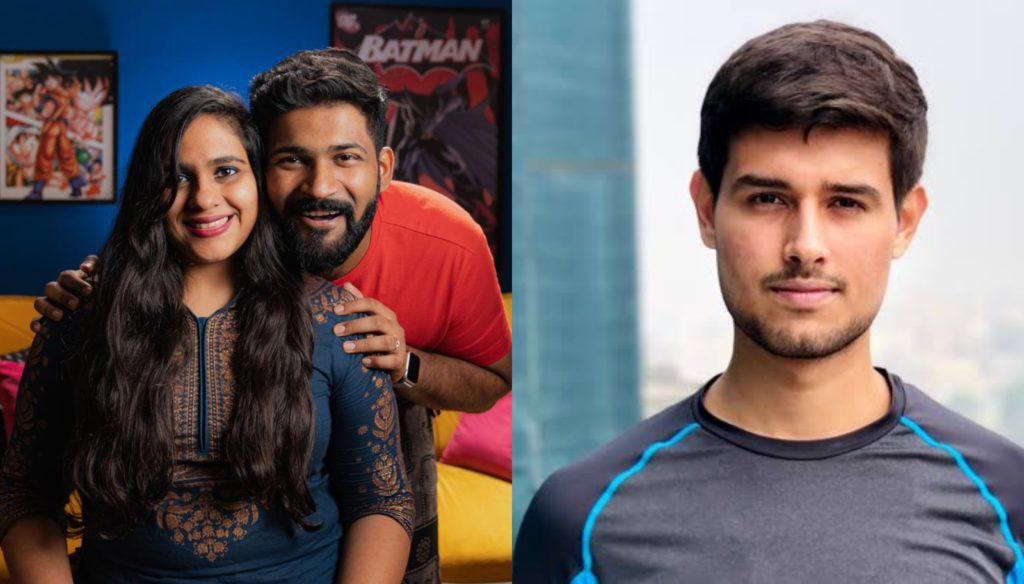
In India, several content creators are influencing the perception of AI and Creativity by presenting these concepts through simplified storytelling approaches to their audience. One of the most popular influence channels of AI and Creativity is Abhi & Niyu. They are known for their informative style of content creation, which also includes presenting ideas through storytelling approaches to cover topics like technology, AI, and their influence on society and work.
Rishi Jain has also been a prominent thought leader speaking about AI, start-ups, and innovation. His talks and blogs relate to how AI applications are altering the manner in which individuals and businesses work and produce. Through these blogs and speeches, he showcases how AI can be used in creative problem-solving.
Ankit Arora, known for his contributions in the area of AI and tech education, adds his part to the AI and Creativity conversation in the way that has made AI more accessible to those who would like to utilize it in their work as designers, marketeers, or content developers. This is because his work educates those who are in the creative industry on how these tools work.
These artists, working together, are making it more normal to include AI as part of the creative process. This pushes the conversation from fear to experimentation.

More Choice Than Creative Compromise: AI and Creativity
One of the greatest things that AI can bring to the creative process is flexibility. The ability to use AI in whatever way and on whatever days are necessary is a strength that not all tools may possess. Some days require slow and manual thinking, while some days require drafts and edits that can be accomplished by AI.
Adobe Firefly tools are intended to help strike this balance. Rather than encouraging AI-first approaches, they feature options that creatives can choose to engage with when time is an issue or when inspiration may be lacking. The intention is to never corner the creator in how they choose to be productive in their craft.
The Role of Community in AI and Creativity Today
Despite advancements in technology, the aspect of creativity can never remain technology-driven or individual. Teamwork, feedback, and the aspect of learning together remain extremely important for the development of creativity. Technology will only accelerate the process but will never substitute the need for dialogue and inspiration.
Also, there are creative communities, meetups, and conferences where artists can engage in discussions about their use of AI, challenges they are facing, or what they are most excited about. Such interactions keep artists grounded while ensuring they are inspired.
AI & Creativity – What Is The Future?
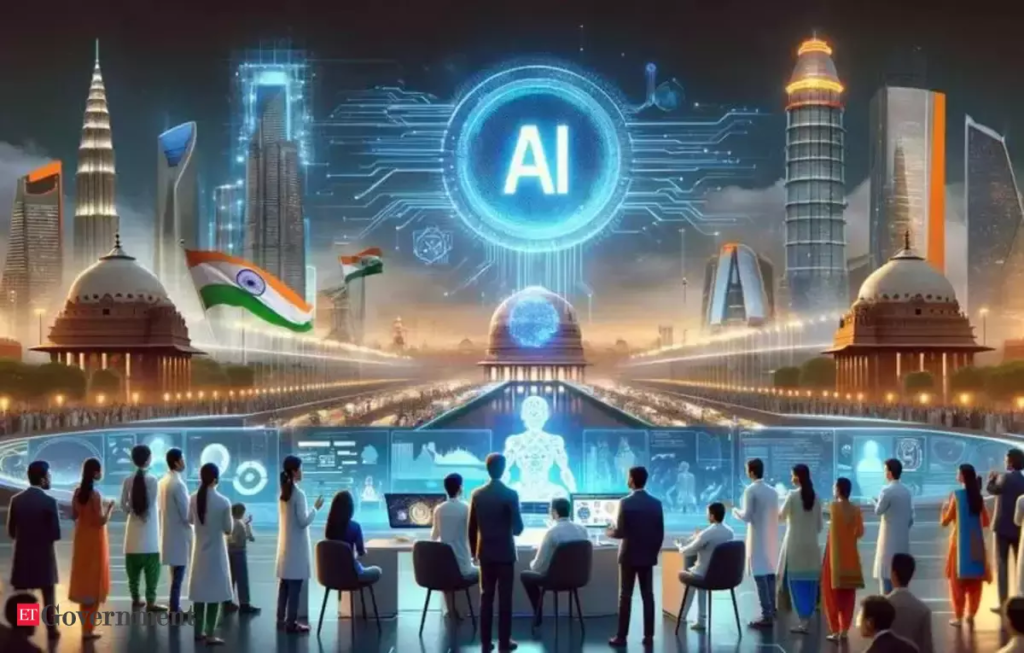
Looking forward, the future of creative work will incorporate AI and Creativity very prominently. AI allows for faster experimentation, easier production barriers, and easier access to creativity tools. This has particular value for independent creators and new professionals, who can use these capabilities to realize ambitious visions on a limited budget. With AI set to become more entrenched in the creative industry, learning to use the technology in the right way will become more important. Learning programs and content developed by creatives are already playing their part in this.